Zamioculcas zamiifolia p17

24.99

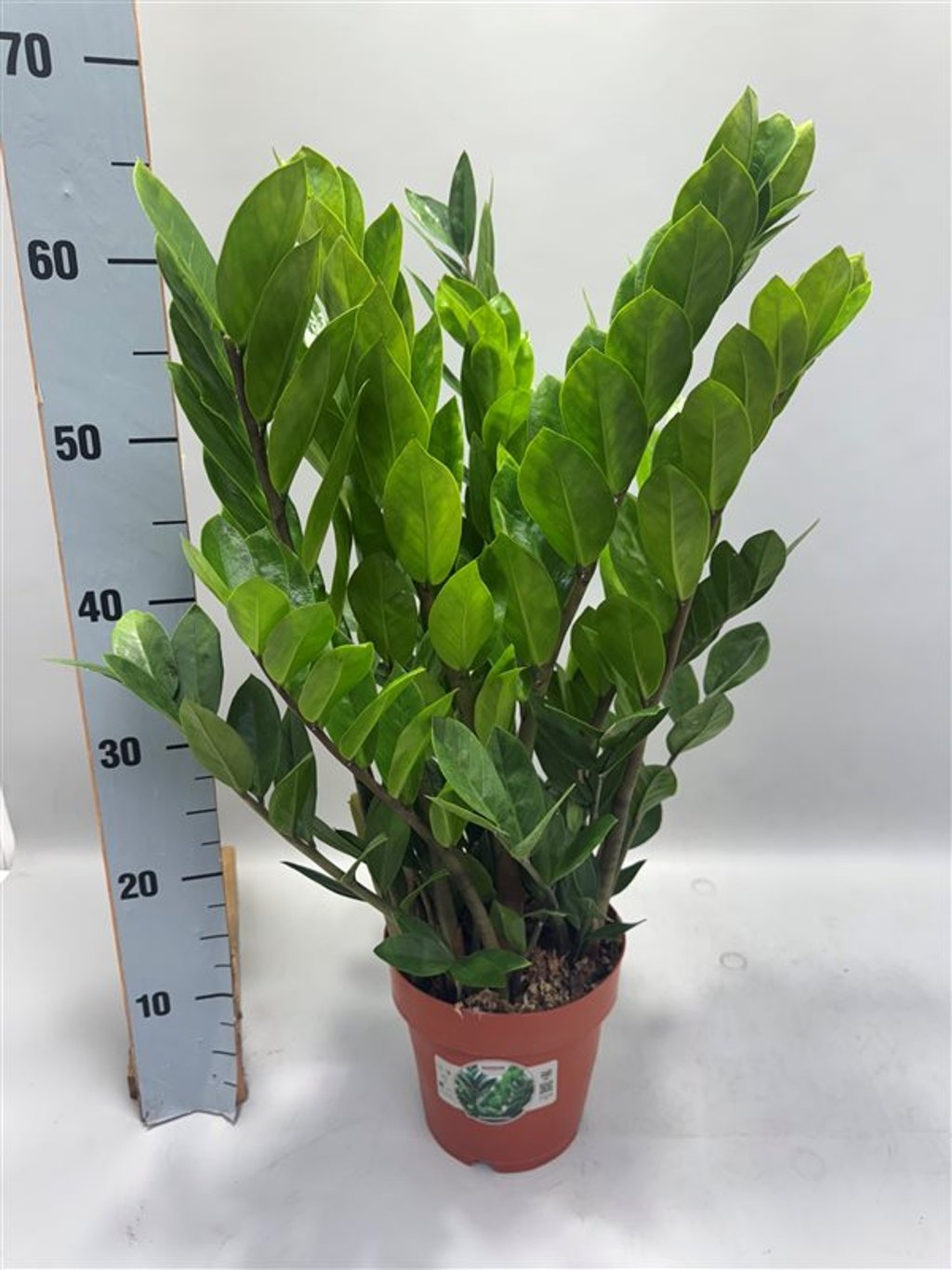
Zamioculcas zamiifolia, commonly known as the ZZ Plant or Zanzibar Gem, is a popular, low-maintenance houseplant native to Eastern Africa, prized for its glossy, deep green foliage and remarkable resilience. Its ability to tolerate low-light conditions and infrequent watering makes it an excellent choice for beginners or busy individuals.

1 in stock

Category:
Key Characteristics
  • Appearance: The plant features thick, upright, fleshy stems and pinnately compound leaves with 6-8 pairs of oval-shaped, waxy leaflets. New growth often emerges a bright, light green before maturing into a deep emerald hue.
  • Drought Tolerance: It is a succulent that stores water and nutrients in its thick stems and large, underground rhizomes, allowing it to survive long periods of drought.
  • Growth Rate & Size: The ZZ plant is a slow to moderate grower, typically reaching a height of 60 to 90 cm (2-3 feet) indoors when mature.
  • Air-Purifying: It is known to help improve indoor air quality by filtering airborne toxins such as benzene, xylene, and toluene.
  • Toxicity: All parts of the plant are mildly toxic to humans and pets if ingested due to the presence of calcium oxalate. It should be kept out of reach of children and animals. 
Care Guide
  • Light: The ZZ plant is highly adaptable and thrives in most indoor lighting conditions, from low light to bright, indirect light. Avoid harsh, direct sunlight, which can scorch the leaves.
  • Watering: The most common mistake is overwatering. Allow the soil to dry out completely between waterings, which may be as infrequent as once or twice a month, and less so in winter.
  • Soil: Use a well-draining potting mix, such as a succulent or cacti mix, to ensure excess water can escape and prevent root rot.
  • Temperature: The plant prefers average indoor temperatures between 18-24°C (65-75°F). It is not frost-hardy and should be kept away from cold drafts.
  • Fertilising: Fertilise sparingly with a general-purpose houseplant fertiliser at half strength during the spring and summer growing season.
Key Characteristics
  • Appearance: The plant features thick, upright, fleshy stems and pinnately compound leaves with 6-8 pairs of oval-shaped, waxy leaflets. New growth often emerges a bright, light green before maturing into a deep emerald hue.
  • Drought Tolerance: It is a succulent that stores water and nutrients in its thick stems and large, underground rhizomes, allowing it to survive long periods of drought.
  • Growth Rate & Size: The ZZ plant is a slow to moderate grower, typically reaching a height of 60 to 90 cm (2-3 feet) indoors when mature.
  • Air-Purifying: It is known to help improve indoor air quality by filtering airborne toxins such as benzene, xylene, and toluene.
  • Toxicity: All parts of the plant are mildly toxic to humans and pets if ingested due to the presence of calcium oxalate. It should be kept out of reach of children and animals. 
Care Guide
  • Light: The ZZ plant is highly adaptable and thrives in most indoor lighting conditions, from low light to bright, indirect light. Avoid harsh, direct sunlight, which can scorch the leaves.
  • Watering: The most common mistake is overwatering. Allow the soil to dry out completely between waterings, which may be as infrequent as once or twice a month, and less so in winter.
  • Soil: Use a well-draining potting mix, such as a succulent or cacti mix, to ensure excess water can escape and prevent root rot.
  • Temperature: The plant prefers average indoor temperatures between 18-24°C (65-75°F). It is not frost-hardy and should be kept away from cold drafts.
  • Fertilising: Fertilise sparingly with a general-purpose houseplant fertiliser at half strength during the spring and summer growing season.