


Key Characteristics
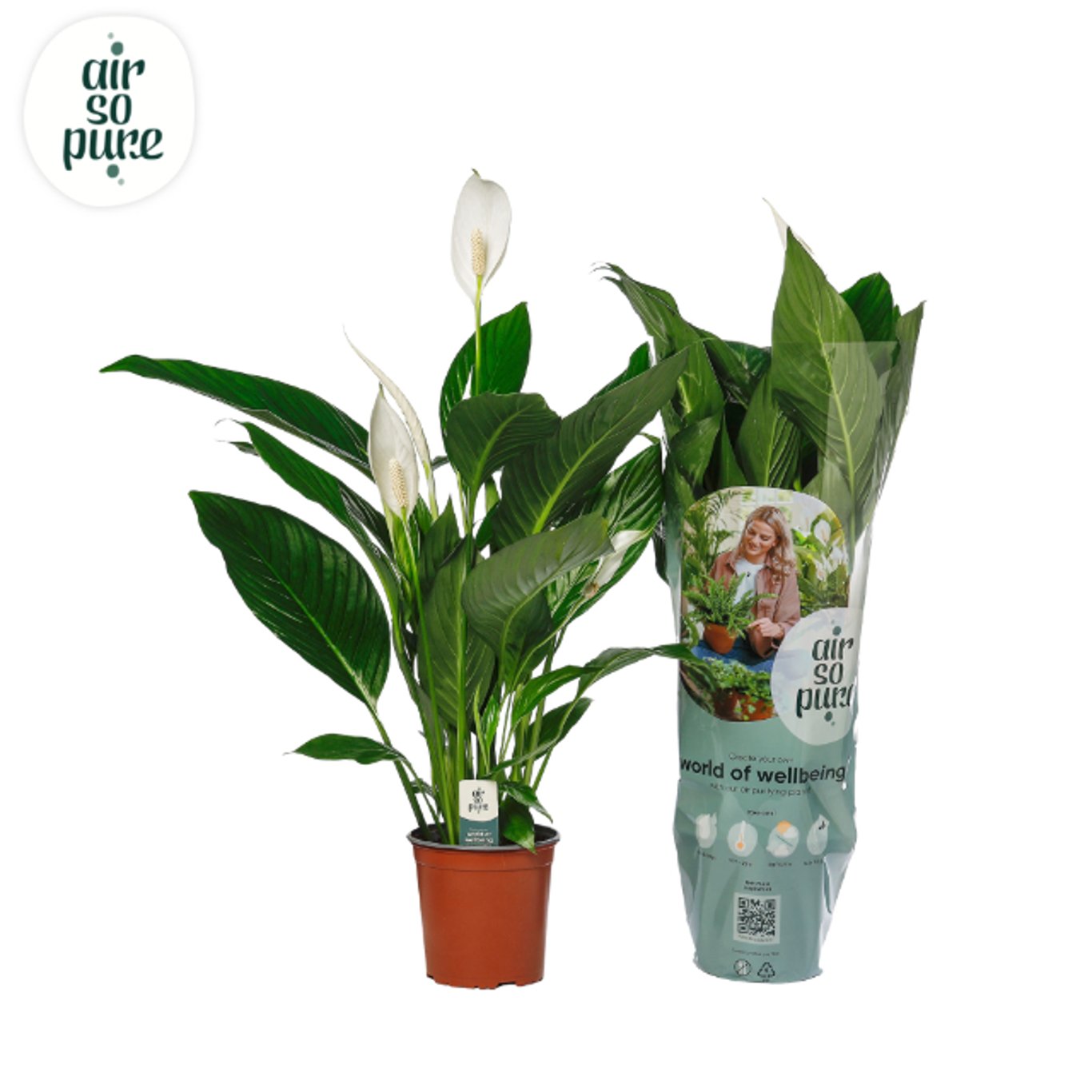
- Flowers: Produces larger-than-average white, hood-like flowers (spathes) held on stout stems that rise above the leaves. It tends to be more floriferous and bloom more frequently than traditional varieties.
- Foliage: Features broad, oblong, and gracefully arching deep green leaves that create a lush, tropical appearance.
- Size: This variety typically grows to an eventual height and spread of around 0.6m to 0.9m (2 to 3 feet), making it larger than many standard peace lilies.
- Growth Rate: It has an average rate of growth.
- Air Purifying: Like other peace lilies, it is an excellent natural air purifier, helping to remove common indoor toxins like formaldehyde and benzene.
- Toxicity: The plant is harmful if eaten and can be a skin/eye irritant, so caution is advised in homes with pets and children.
Care Guide
- Light: Prefers bright, indirect light but can tolerate lower light conditions; direct sunlight should be avoided as it can scorch the leaves.
- Watering: Keep the soil consistently moist but not waterlogged. Water when the top inch or two (2-3 cm) of soil feels dry to the touch. The plant may start to droop when thirsty, which serves as a good visual indicator.
- Temperature: Thrives in warm indoor environments, ideally between 15-23°C (59-73°F). It is frost tender and should be kept away from cold draughts or radiators.
- Humidity: Appreciates moderate to high humidity. Regular misting, grouping plants, or using a watered pebble tray can help increase humidity levels, especially in dry rooms like those with heating/cooling vents.
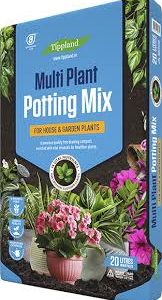
- Soil: Use a well-draining, nutrient-rich houseplant compost.
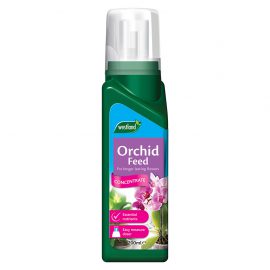
- Feeding: Apply a balanced liquid fertiliser every 4-6 weeks during the spring and summer, growing seasons; reduce feeding in autumn and winter.
- Maintenance: Remove yellowed or dried leaves and faded flowers to encourage new growth and maintain a neat appearance. Wipe the glossy leaves occasionally with a damp cloth to remove dust.


