
Pennisetum A. Rubrum

9.95

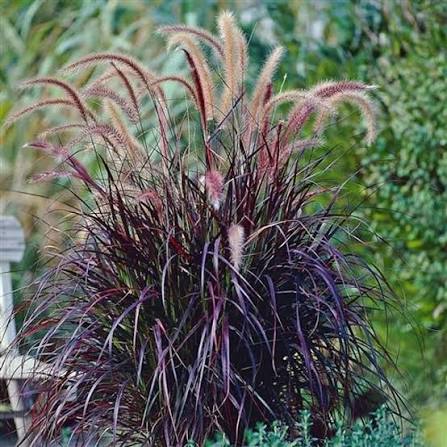
‘Rubrum’ (commonly known Red Fountain Grass) is a highly popular, fast-growing ornamental clump grass celebrated for its striking burgundy-red foliage and feathery, arching flower plumes. 
Whether you are looking to plant it in a patio container or weave it into a dynamic garden border, this guide covers everything you need to know to grow it successfully.
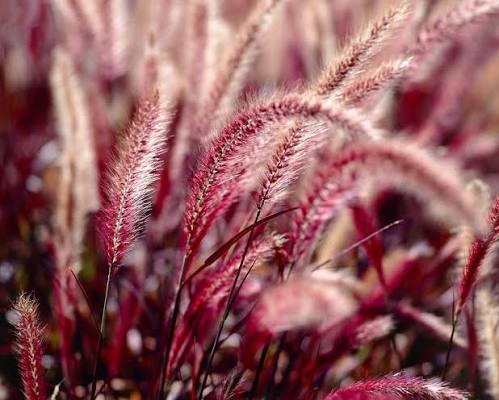
  • Appearance: Features long, strappy leaves that emerge green in spring before deepening into a rich, dark burgundy-purple. From mid-summer through autumn, it produces elegant, nodding bottlebrush flower spikes that sway beautifully in the wind.
  • Dimensions: Typically reaches a height of 90 cm to 1.5 metres (3–5 feet) and a spread of 60 to 90 cm (24–36 inches) within a single season. 
  • Hardiness: It is a half-hardy warm-season grass. It thrives in hot weather but cannot handle severe winter freezes.

3 in stock

Categories: ,
To get the most vibrant colour and healthy growth out of your Pennisetum, follow these essential care steps:
  • Light: Full sun is non-negotiable. If planted in the shade, the foliage will lose its signature burgundy punch and turn a dull green.
  • Soil: It prefers medium-to-light, fertile, and excellently drained soil. It will quickly suffer from root rot if left sitting in waterlogged ground during winter.
  • Watering: Water regularly during its first growing season to establish a deep root system. Once settled, it is fairly drought-tolerant, though it appreciates a bit of routine moisture in dry spells.
  • Feeding: Keep it light. A simple layer of organic compost mulch or a slow-release fertiliser in early spring is plenty. Avoid high-nitrogen fertilisers, which make the grass floppy and weak.
To get the most vibrant colour and healthy growth out of your Pennisetum, follow these essential care steps:
  • Light: Full sun is non-negotiable. If planted in the shade, the foliage will lose its signature burgundy punch and turn a dull green.
  • Soil: It prefers medium-to-light, fertile, and excellently drained soil. It will quickly suffer from root rot if left sitting in waterlogged ground during winter.
  • Watering: Water regularly during its first growing season to establish a deep root system. Once settled, it is fairly drought-tolerant, though it appreciates a bit of routine moisture in dry spells.
  • Feeding: Keep it light. A simple layer of organic compost mulch or a slow-release fertiliser in early spring is plenty. Avoid high-nitrogen fertilisers, which make the grass floppy and weak.