Nandina Domestica Flirt 2ltr

14.95

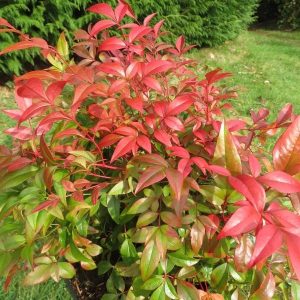
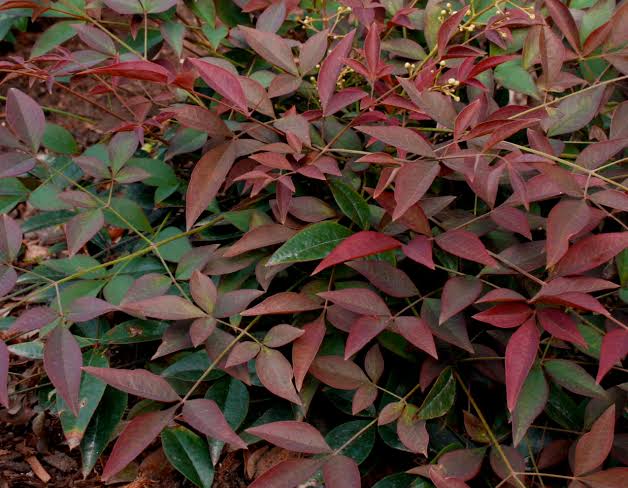
Nandina domestica ‘Flirt’  is a highly popular, award-winning dwarf evergreen shrub celebrated for its exceptional year-round foliage color. Unlike older Nandina varieties that lose their red coloring and turn completely green during the summer heat, ‘Flirt’ maintains deep wine-red and crimson tones for up to nine months of the year.

Key Botanical & Growth Profile
  • Growth Habit: Compact, tight, dense mounding, and low-spreading. 
  • Mature Size: Typically reaches 30–60 cm (1–2 feet) tall with a matching spread of 30–75 cm (1–2.5 feet). 
  • Foliage Sequence: New spring and summer growth emerges in a vivid, deep wine-red or purple-red. The mature leaves beneath transform into a rich blue-green or deep purple-green by autumn and winter, offering multi-layered contrast. 
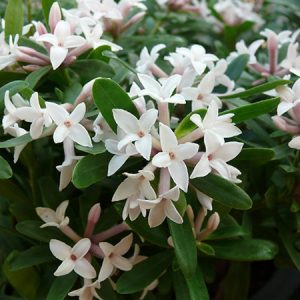
  • Flowers & Berries: In early summer, it can produce small panicles of star-shaped white flowers with yellow anthers, followed occasionally by bright red winter berries.

3 in stock

Categories: ,
Nandina Domestica Flirt 2ltr
Growing & Cultivation Requirements
  • Light: Thrives best in full sun to dappled shade. At least a half-day of direct sunlight is strongly recommended to coax out its signature bright red color intensity.
  • Soil: Prefers moist, fertile, but well-drained soil. It is highly adaptable and can tolerate sand, chalk, loam, or clay, provided it does not sit in waterlogged conditions.
  • Hardiness: Suited for USDA Zones 6 to 10. It is reasonably hardy but benefits from a sheltered location away from harsh, drying winter winds, which can cause leaf drop or winter burn in colder microclimates.
  • Maintenance: Extremely low maintenance. Its slow growth rate means it requires virtually zero pruning (Group 9 rules apply if tidy-up is needed in late winter). Feed annually in spring with a slow-release fertilizer tailored for acid-loving plants.
Nandina Domestica Flirt 2ltr
Growing & Cultivation Requirements
  • Light: Thrives best in full sun to dappled shade. At least a half-day of direct sunlight is strongly recommended to coax out its signature bright red color intensity.
  • Soil: Prefers moist, fertile, but well-drained soil. It is highly adaptable and can tolerate sand, chalk, loam, or clay, provided it does not sit in waterlogged conditions.
  • Hardiness: Suited for USDA Zones 6 to 10. It is reasonably hardy but benefits from a sheltered location away from harsh, drying winter winds, which can cause leaf drop or winter burn in colder microclimates.
  • Maintenance: Extremely low maintenance. Its slow growth rate means it requires virtually zero pruning (Group 9 rules apply if tidy-up is needed in late winter). Feed annually in spring with a slow-release fertilizer tailored for acid-loving plants.